11 Jun 2026
Aligning Protections and Payment Options for Prolonged Mobile Gaming and Sports Betting Sessions
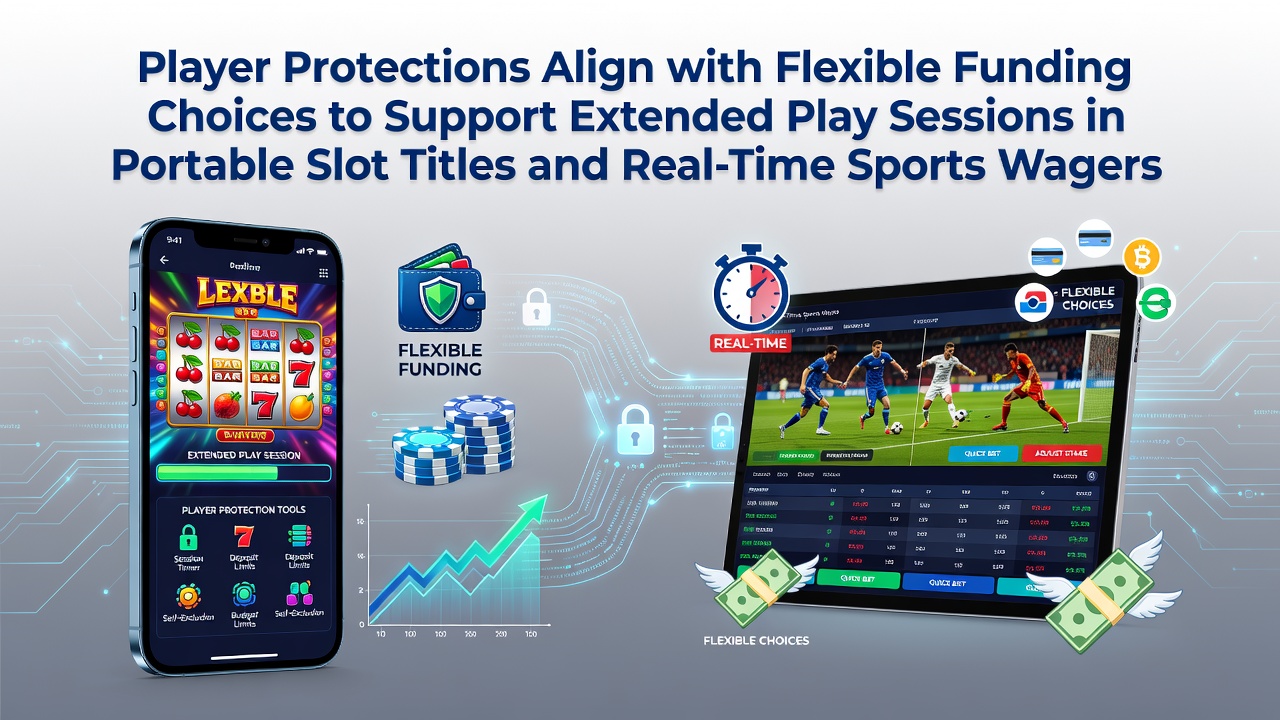
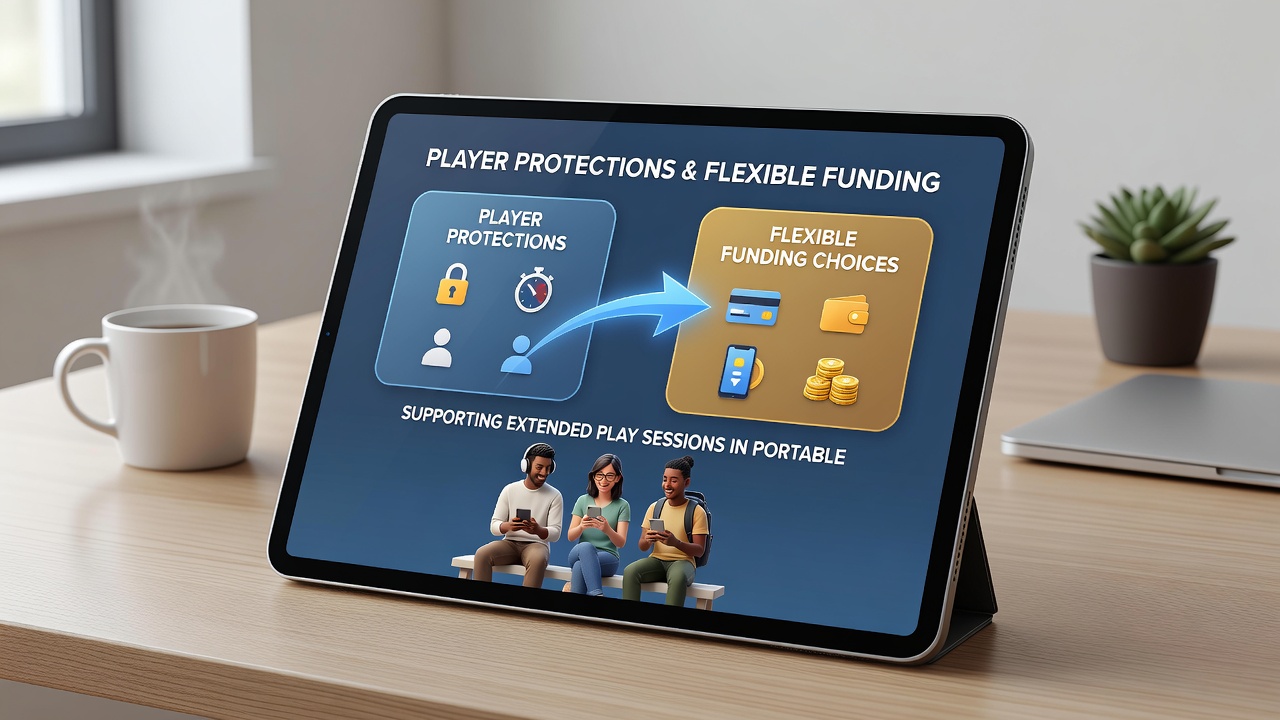
Observers note that player protection tools have begun to mesh directly with adaptable deposit and withdrawal systems, creating pathways that support longer engagement periods in handheld slot games along with live sports wagers without triggering abrupt session interruptions. Data from multiple regulatory regions shows operators deploying time-based reminders, spending caps, and self-exclusion toggles that operate in tandem with instant funding methods such as digital wallets and bank transfers, allowing users to maintain play across extended intervals while remaining within preset boundaries.
Core Components of Integrated Protection Systems
Research indicates that many platforms now embed deposit limits that adjust automatically based on user-selected time frames, a setup that pairs with real-time transaction processing to prevent delays during active betting windows. According to reports issued by the Nevada Gaming Control Board, these mechanisms have seen adoption rates climb steadily through the first half of 2026, particularly among operators offering portable slot titles where session lengths often stretch beyond traditional desktop patterns. Flexible funding therefore functions less as an accelerator and more as a controlled conduit that respects the same guardrails applied to account management.
Those who track industry metrics point out that verification layers, once limited to initial sign-up, now extend across funding events, requiring brief confirmations that align with spending thresholds already established by the player. This approach reduces friction during peak moments in real-time sports markets, where odds shift rapidly and users seek to place additional wagers without restarting the entire deposit sequence.
Application Across Portable Slot Titles
Portable slot offerings rely on short, repeatable cycles that accumulate over time, and protection frameworks address this by monitoring cumulative spins rather than isolated bets. Evidence suggests operators incorporate session timers that pause autoplay functions once thresholds approach, while still permitting manual continuation if the player confirms within the interface. Flexible funding choices complement this structure because micro-deposits can occur seamlessly between rounds, replenishing balances without forcing a full logout or app restart.
Studies compiled by the Canadian Centre on Substance Use and Addiction reveal that titles optimized for mobile devices record higher average session durations when instant payment rails sit alongside these controls, because users avoid the previous pattern of abandoning play during funding lags. The result appears in aggregated logs showing steadier engagement curves rather than sharp peaks followed by abrupt drop-offs.
Real-Time Sports Wagers and Continuous Funding
Live sports betting introduces additional complexity because events unfold in compressed timeframes, demanding that funding options keep pace with changing lines. Platforms address this by routing protected accounts through pre-approved payment profiles that execute transfers in seconds once the player elects to top up within daily or weekly ceilings. Observers note that such alignments reduce instances where bettors miss opportunities due to processing holds, while the embedded limits continue to cap total exposure across an entire match or tournament day.
What's notable is how these systems log each funding action against the same risk indicators used for bet placement, creating a unified oversight layer. Reports from early 2026 indicate that jurisdictions outside the UK have begun requiring operators to display remaining limit headroom directly within the wager slip, giving users immediate visibility before confirming any transaction or stake.
Technical Implementation and User Controls
Developers achieve this synchronization through API connections that feed transaction data directly into protection dashboards, updating balances and remaining allowances in a single view. Players encounter options to set recurring deposit schedules that respect cooling-off periods, an arrangement that supports extended sessions by removing the need for repeated manual entries. Industry documentation shows that push notifications now serve dual purposes, alerting users both to incoming bet confirmations and to approaching protection thresholds in the same stream.
Those monitoring adoption trends report that integration depth varies by device type, with native applications generally offering tighter linkage than browser-based access. Nevertheless, cross-platform consistency remains a stated priority for operators aiming to retain users who shift between phones, tablets, and other portable hardware during longer outings or travel periods.
Conclusion
Current implementations demonstrate that player protections and flexible funding mechanisms can operate as complementary elements rather than competing priorities. Figures released through mid-2026 highlight measurable stability in session patterns when these features function together, particularly within the mobile slot and live sports segments. Continued refinement of these alignments is expected as operators respond to evolving regulatory expectations across multiple regions.