30 May 2026
Coordinating Payment Mechanisms with Oversight Protocols in Mobile Entertainment Systems
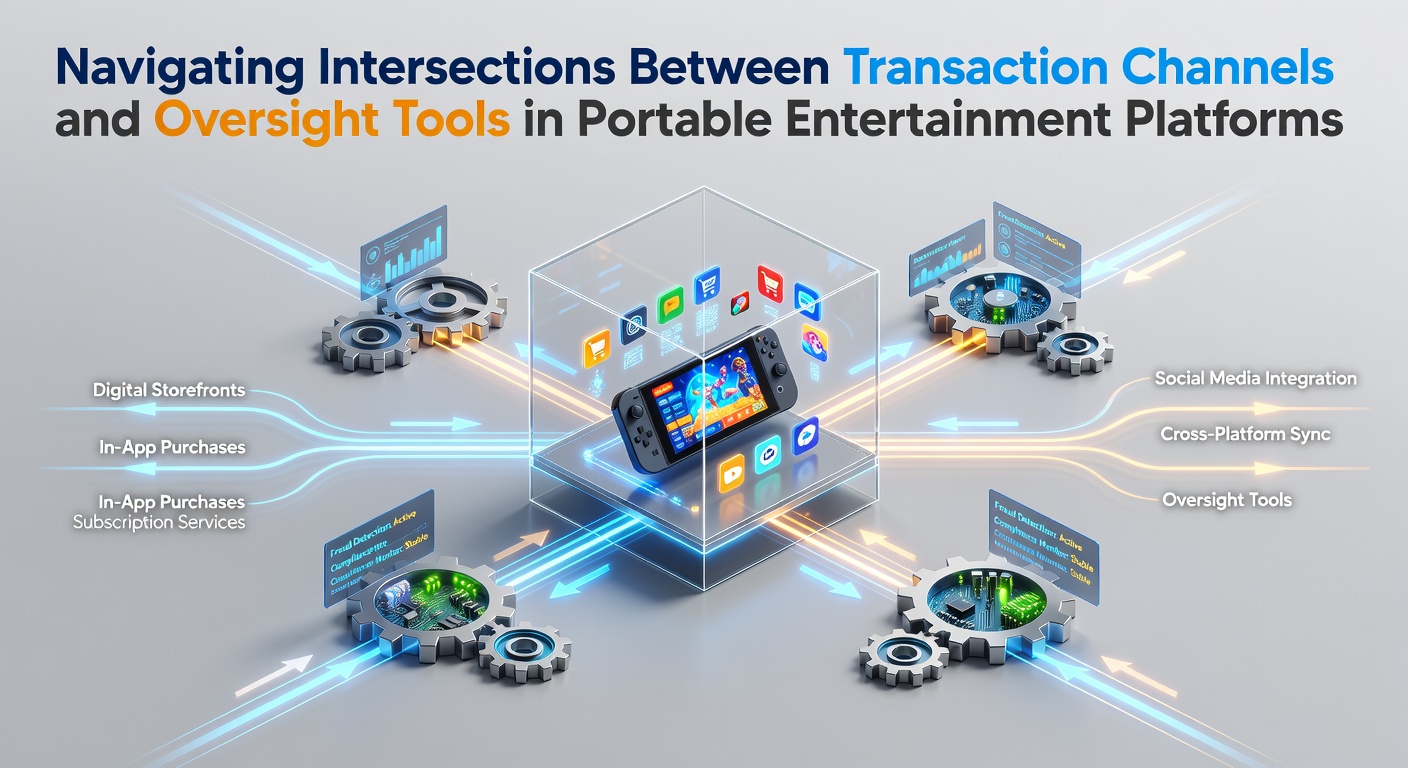
Portable entertainment platforms have expanded rapidly since the early 2020s, and transaction channels now intersect directly with oversight tools that monitor user activity, enforce limits, and support compliance requirements across regions.
Data from multiple markets shows that mobile users complete deposits and withdrawals through integrated payment gateways while oversight systems track those same flows for patterns that trigger alerts or protective interventions.
Transaction Channels in Portable Platforms
Payment options on these platforms range from digital wallets and bank transfers to prepaid cards and cryptocurrency services in jurisdictions that permit them, and each method carries distinct processing times along with verification steps that feed into oversight databases automatically.
Operators connect these channels to backend systems that record timestamps, amounts, and frequency, which allows real-time flagging when activity exceeds predefined thresholds set by regulators or internal policies.
According to the European Gaming and Betting Association, seamless integration between payment processors and monitoring software has reduced processing delays for compliant transactions while maintaining audit trails required for cross-border operations.
Oversight Tools and Their Functions
Oversight mechanisms include deposit limits, session timers, reality checks, and automated risk scoring that draw directly from transaction data streams, and these tools activate without requiring separate user input once thresholds are crossed.
Support interfaces appear within the same apps, providing chat or in-app messaging that links transaction history to advice on setting personal controls or accessing external resources when needed.
Research from the Responsible Gambling Council in Canada indicates that platforms combining transaction logging with immediate access to self-exclusion options achieve higher rates of user-initiated limit adjustments compared with systems that keep these functions separate.
Intersections and Data Flows
The core intersection occurs when a transaction attempt triggers an oversight protocol, such as a velocity check that pauses a deposit until identity verification updates or a spending alert routes the user toward a support module before completion.
These handoffs rely on API connections that share anonymized metadata between payment processors and compliance engines, ensuring that personal details remain protected while regulatory reporting obligations stay fulfilled.
One example involves Australian operators who integrated real-time payment monitoring with harm-minimization dashboards, resulting in documented reductions in repeated high-value transactions during late-night hours according to state-level compliance summaries released in early 2026.
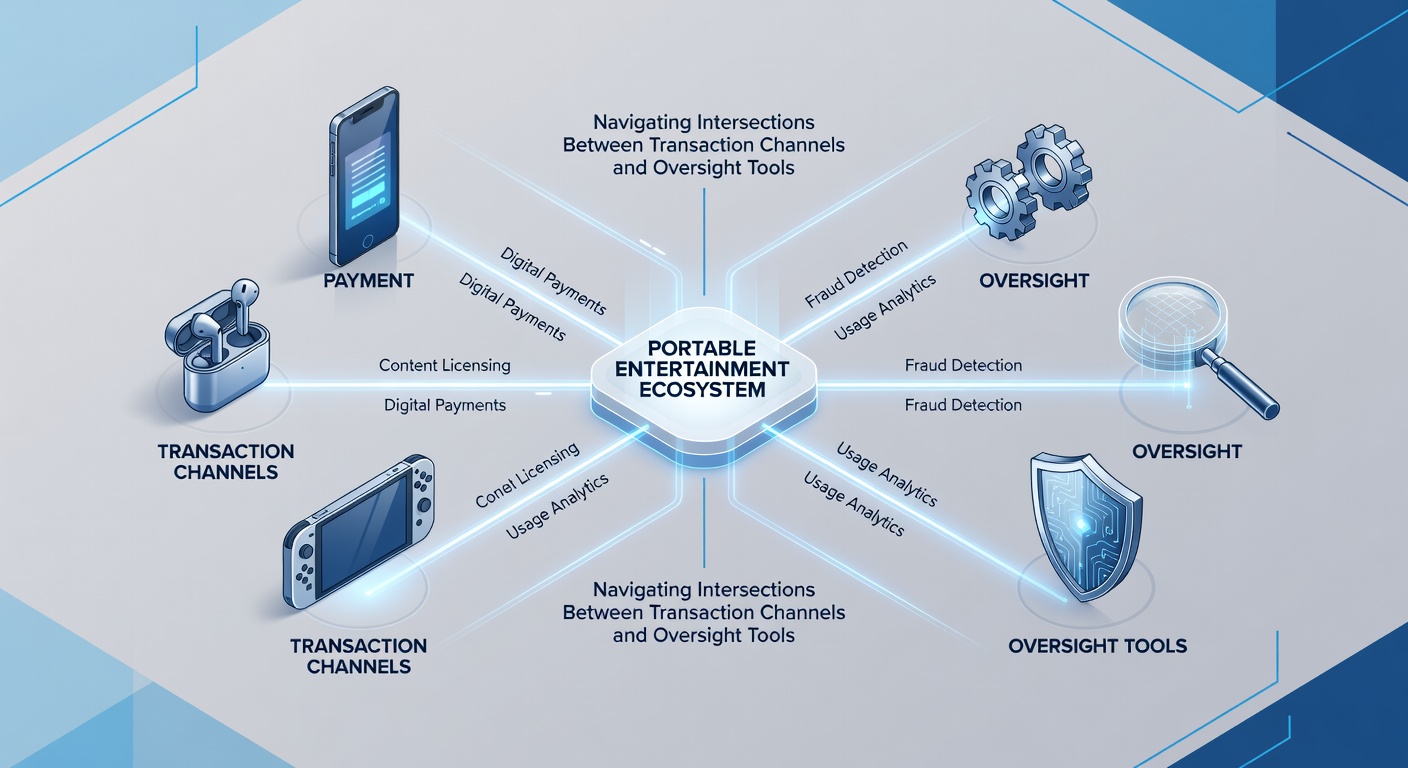
Platforms scheduled for feature rollouts in May 2026 are expected to add predictive analytics layers that analyze transaction patterns against historical oversight records, enabling preemptive prompts before users reach spending caps.
Regional Variations in Implementation
European markets emphasize standardized reporting through centralized databases that pull transaction data from multiple operators, whereas North American frameworks often leave integration details to individual state or provincial regulators, creating varied technical requirements.
Industry reports from the National Council on Problem Gambling highlight that consistent data formatting across payment channels and oversight systems improves the accuracy of cross-platform user tracking without compromising privacy standards.
Operators in these regions have adopted modular software architectures that allow quick adjustments when new oversight rules take effect, minimizing disruption to ongoing transaction processing.
Security and Compliance Considerations
Encryption protocols protect data moving between transaction channels and oversight modules, and multi-factor authentication applies at both payment initiation and when users interact with monitoring dashboards.
Regular third-party audits examine these intersections to confirm that alerts generate correctly and that support tools receive accurate context from transaction histories, which helps maintain trust in portable platforms operating across multiple regulatory zones.
Updates planned for May 2026 include enhanced logging standards that capture additional metadata points while preserving user anonymity in aggregated reports shared with oversight bodies.
Conclusion
Transaction channels and oversight tools continue to merge within portable entertainment platforms through shared data pathways and automated triggers, and these connections support compliance across diverse regulatory environments while enabling smoother user experiences. Ongoing developments scheduled around May 2026 focus on refining predictive elements and standardizing reporting formats to handle increasing volumes of mobile activity.