18 Jul 2026
Deposit Mechanisms in Mobile Gaming Enable Bonuses While Aiding Harm Prevention

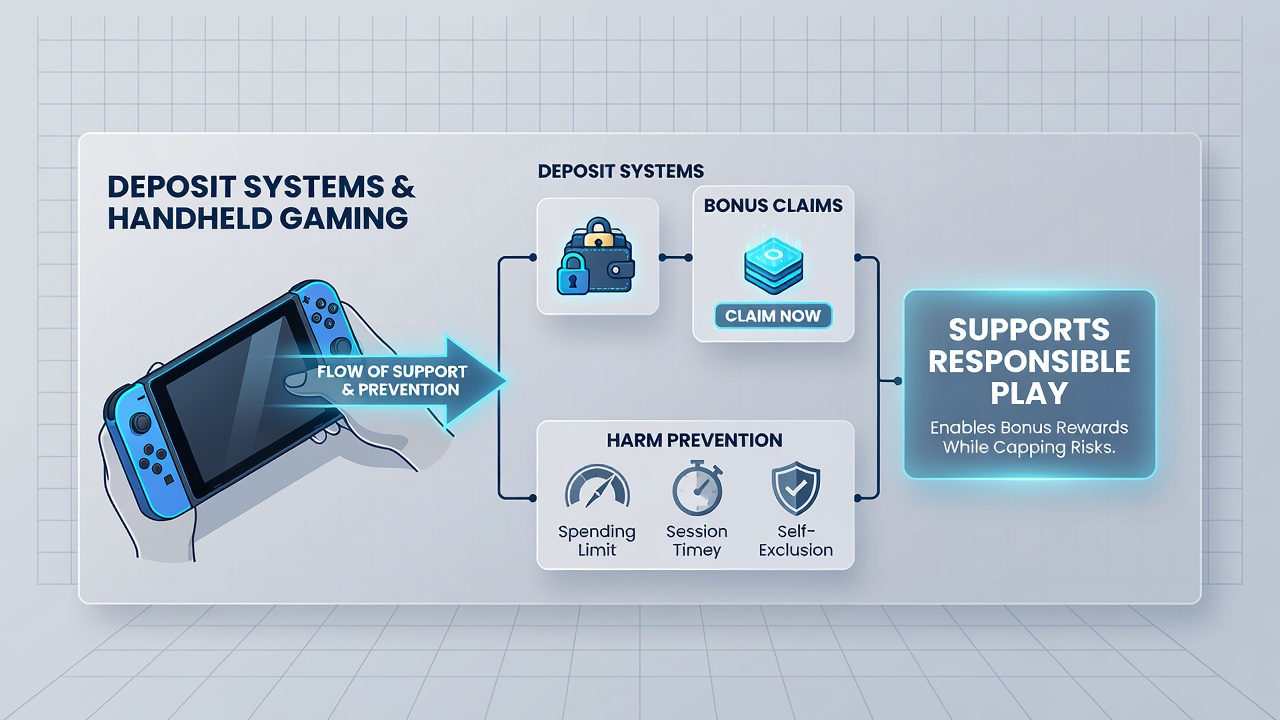
Deposit systems in handheld gaming environments create structured pathways that link payment verification directly to bonus eligibility checks while embedding real-time safeguards against excessive play. These frameworks operate through integrated app layers where transaction data feeds into algorithms that confirm player status before releasing promotional rewards such as free spins or matched credits. Observers note that seamless verification processes reduce friction for legitimate claims yet simultaneously trigger spending caps or cooling periods when patterns indicate rising risk.
Core Components of Deposit Mapping
Mobile platforms map deposits by recording each incoming transaction alongside account history, device identifiers, and session metadata so that bonus systems can validate eligibility without manual intervention. When a user initiates a deposit through digital wallets or card processors the system cross-references prior activity to determine whether promotional triggers activate automatically. Data shows that platforms employing layered verification complete bonus assignments within seconds while simultaneously logging indicators such as deposit frequency and amount variance that feed into harm-prevention modules.
Payment gateways communicate with backend risk engines that apply thresholds established by operators. A deposit exceeding a pre-set daily limit prompts an immediate pause accompanied by a message directing the player toward self-assessment tools. Researchers at the University of Nevada Reno have documented how these automated pauses correlate with reduced session lengths among users who receive the prompts.
Bonus Claim Integration
Bonus claims rely on deposit confirmation signals that confirm funds have cleared before unlocking rewards. Handheld scenarios benefit from push notifications that alert users once eligibility criteria are met, allowing immediate activation of offers during live play. Systems often require a minimum deposit value combined with a qualifying game selection before credits appear in the balance. This linkage ensures promotions reach only those who meet financial and behavioral criteria established in advance.
Operators frequently tier bonuses according to deposit size and frequency so that higher-volume players unlock scaled rewards while lower-volume users receive smaller incentives. The mapping process records each tier transition and feeds that information into responsible-gaming dashboards visible within the same mobile interface.
Harm Prevention Through Deposit Controls
Deposit systems embed harm-prevention features by allowing players to set personal limits that the platform enforces before any transaction processes. These controls include daily, weekly, and monthly caps that reset automatically and cannot be overridden without a mandatory cooling interval. When a limit is reached the system blocks further deposits and surfaces links to external support resources maintained by organizations such as the National Council on Problem Gambling.
Additional safeguards monitor velocity of deposits across short time windows. Rapid successive transactions trigger behavioral flags that pause play and require confirmation of continued intent. Studies published by the Australian Institute of Family Studies indicate that velocity-based interventions reduce the incidence of unplanned spending spikes by measurable margins across tested cohorts.
July 2026 Platform Updates
During July 2026 several major handheld gaming providers introduced standardized deposit-mapping protocols that unify bonus validation with harm-prevention triggers across multiple jurisdictions. These updates require real-time sharing of deposit velocity data between payment processors and responsible-gaming modules so that any bonus claim automatically activates limit checks. Early adoption reports indicate improved compliance rates without noticeable increases in player drop-off during promotional periods.
Device-Level Implementation
Handheld applications execute deposit mapping through secure APIs that isolate sensitive financial data from game engines. Biometric authentication at the device level adds an extra verification layer before funds transfer, which in turn satisfies bonus release conditions. When biometric checks fail the system defaults to manual review, extending the time before either bonuses or further deposits become available. This delay itself functions as a micro-intervention that interrupts impulsive behavior.
Developers continue to refine these mappings by incorporating location signals that adjust limit thresholds according to regulatory zones. Players crossing borders receive updated parameters that reflect local requirements while preserving previously set personal controls.
Conclusion
Deposit mapping in handheld gaming creates a continuous feedback loop where bonus claims and harm-prevention measures draw from the same transaction data streams. The resulting architecture supports promotional engagement while maintaining automated boundaries that respond to individual spending patterns. As platforms refine these systems through iterative updates, the integration of verification, reward delivery, and risk mitigation remains central to operational design.