18 Jun 2026
From Deposit to Defense: Navigating Transaction Pathways and Security Measures in Modern Gaming Applications with Play'n GO and Betting Markets
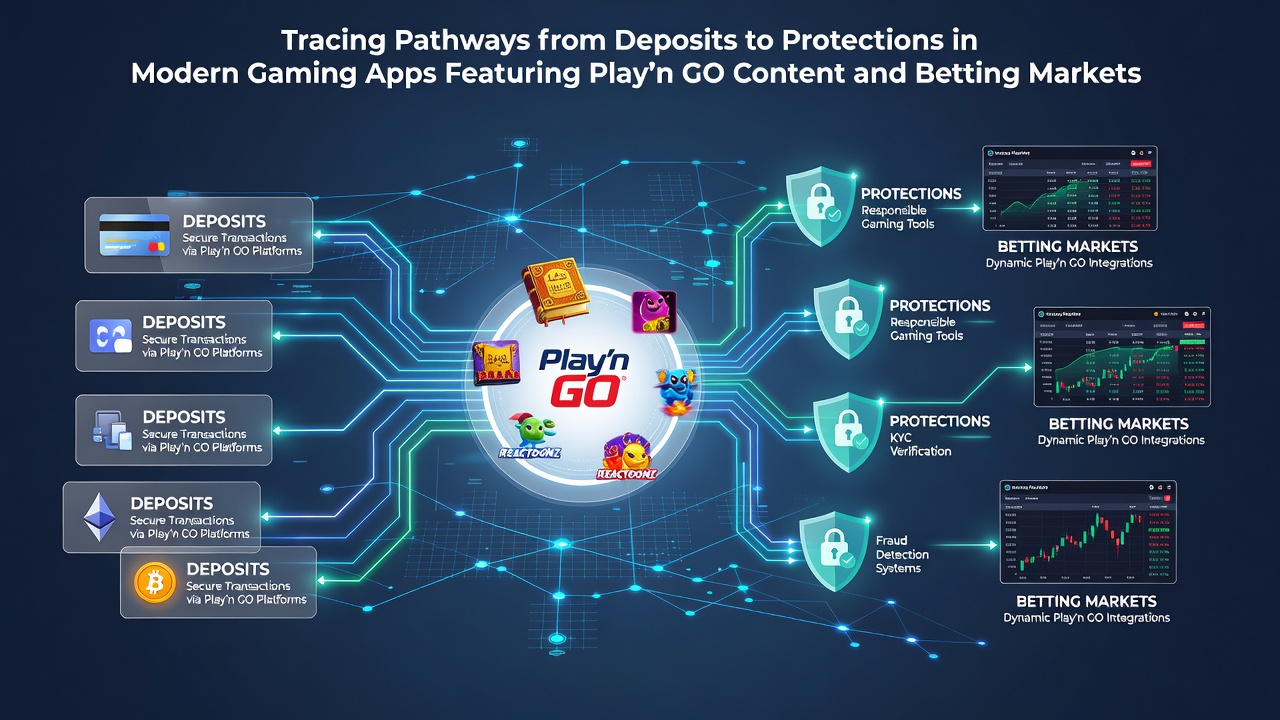
Modern gaming applications integrate deposit systems that channel funds directly into content libraries such as Play'n GO titles alongside diverse betting markets, and these pathways incorporate layered verification steps that activate before any wagering begins. Transaction flows start with user-selected payment methods that connect to app wallets, after which automated checks confirm account details and apply initial safeguards against unauthorized activity. Data from industry reports show that these processes handle millions of entries each month across global platforms, with most completing within seconds when standard protocols align.
Deposit Entry Points and Wallet Integration
Users initiate deposits through options including bank transfers, digital wallets, and card networks, all of which feed into centralized app accounts that support both slot play and market betting, while background systems log timestamps and amounts for later review. These entry points link to Play'n GO game servers that load titles such as Book of Dead or Reactoonz once balances register, and the same wallets enable stake placement on sports or casino events without separate transfers. Observers note that many platforms route funds through encrypted channels that comply with regional standards, reducing friction yet maintaining audit trails that regulators can access when required.
Content Delivery After Funding Confirmation
Once deposits clear, applications unlock Play'n GO reels and table games alongside live betting interfaces, allowing seamless shifts between spin sessions and market selections within the same session. Funds move from wallet balances to game-specific ledgers that track wagers in real time, with betting markets drawing from the same pool to cover odds on events ranging from football matches to esports tournaments. Researchers at institutions like the International Center for Responsible Gaming have documented how these integrated flows maintain separate ledgers for slots versus markets, which helps isolate activity for compliance checks without interrupting user experience.
Transition from Active Play to Protection Layers
After initial deposits and gameplay commence, protection mechanisms engage through account monitoring that flags unusual patterns such as rapid successive deposits or extended session lengths. These systems apply spending caps that users can set at registration or adjust later, and they trigger notifications when thresholds approach. Play'n GO content remains available under these limits, yet betting markets may pause if overall exposure reaches preset boundaries, creating a buffer that operates across both verticals simultaneously.
Verification and Ongoing Monitoring Tools
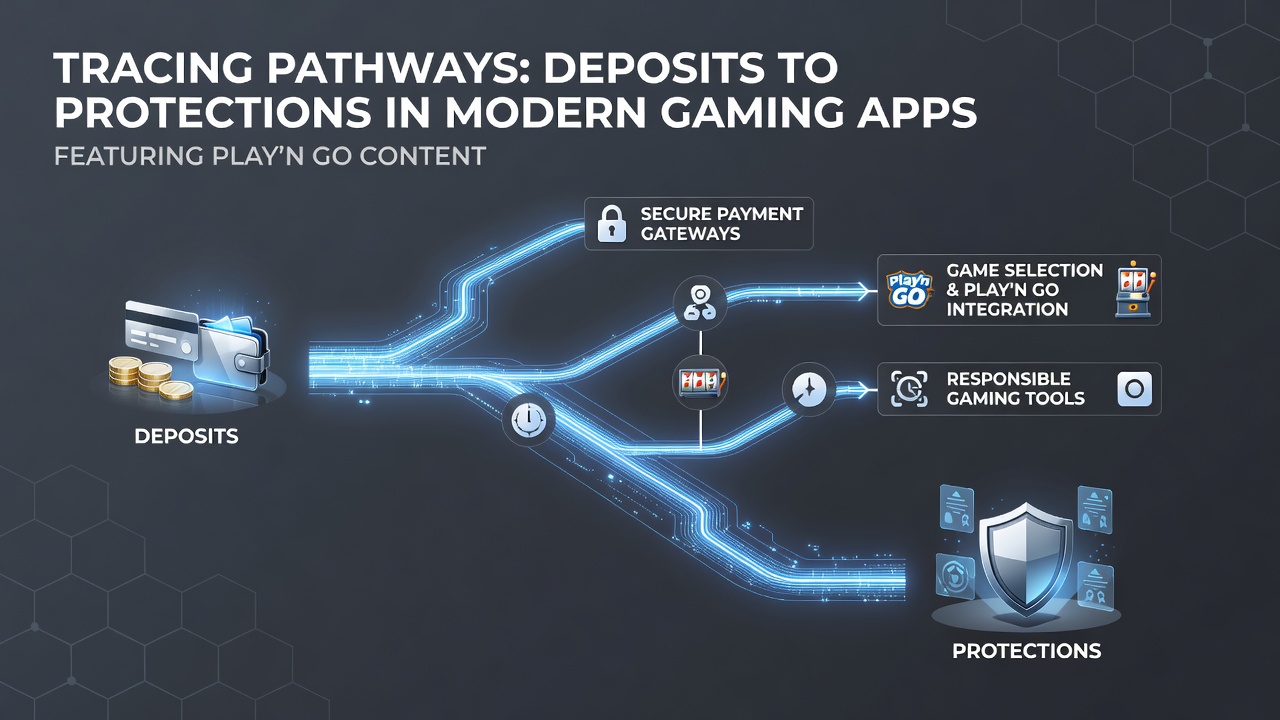
Identity verification occurs at multiple stages, beginning with document uploads during onboarding and continuing with periodic checks that confirm ongoing eligibility. In June 2026 several jurisdictions updated their requirements to include real-time address validation tied directly to deposit activity, which platforms implemented to align with broader financial regulations. App algorithms cross-reference transaction histories against known risk indicators, pausing Play'n GO sessions or betting placements when anomalies appear, and these pauses route users toward support resources or self-exclusion options without removing account access entirely.
Regional Approaches to Fund Safeguards
European platforms often reference guidelines from the European Gaming and Betting Association when designing deposit-to-protection sequences, whereas North American operators follow state-specific rules that emphasize separate treatment for skill-based betting markets versus chance-based slots. Canadian research bodies have published findings showing that integrated monitoring across game types correlates with lower rates of account suspension due to policy breaches. Australian frameworks, by contrast, require visible deposit limits displayed before any Play'n GO title loads, which extends the same display to betting odds pages within the same interface.
Technical Infrastructure Supporting Both Features
Backend servers manage fund routing through APIs that connect payment processors to game engines and market data feeds, ensuring Play'n GO reels receive credits at the same speed as live odds updates. Encryption standards such as TLS 1.3 protect data in transit, while tokenization replaces card details with temporary identifiers that expire after each deposit cycle. These technical choices allow applications to scale during peak periods without compromising the protection layers that run parallel to gameplay.
Conclusion
Pathways that begin with deposits in modern gaming apps extend through Play'n GO content and betting markets while embedding protections at each junction, and these structures continue to evolve as new payment technologies and regulatory expectations intersect. The result is a system where financial entry points feed entertainment options yet remain anchored by verification, monitoring, and limit tools that operate across regions and game categories alike.