1 Jun 2026
Integrating Assistance Networks and Payment Protections Across Mobile Play'n GO Slots and Betting Platforms
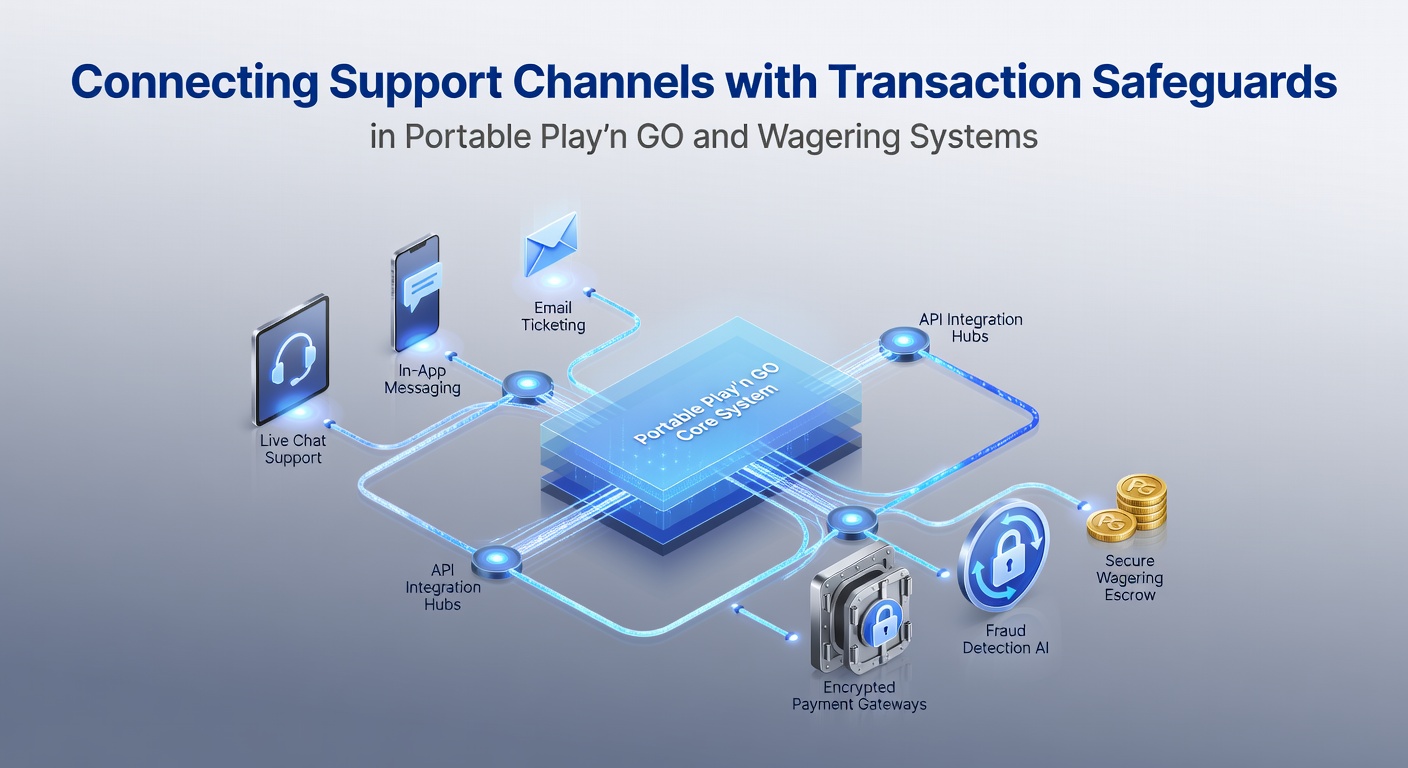
Portable gaming environments now link customer assistance directly to financial transaction layers in Play'n GO systems and wagering applications, creating coordinated frameworks that handle queries while maintaining payment integrity. Operators embed support tools within the same interfaces that manage deposits and withdrawals, allowing real-time verification during active sessions. This coordination appears across global markets where mobile access dominates slot play and live betting activity.
Data from industry reports indicate that seamless connections between these elements reduce friction during bonus redemptions and stake adjustments. Platforms route transaction alerts through support channels automatically, notifying users of status changes without requiring separate logins or external applications. Such integration supports continuous play while enforcing verification steps at critical points.
Core Components of Linked Systems
Support channels in these environments include in-app messaging, live chat, and automated response bots that connect to backend payment processors. Transaction safeguards encompass encryption protocols, multi-factor authentication, and spending limit enforcement that activate based on support interactions. When a user initiates a withdrawal request, the system cross-checks account history through support logs before processing funds.
Play'n GO mobile titles integrate these features by embedding transaction status updates within help menus, allowing players to query deposit confirmations directly from the game screen. Wagering platforms extend similar functionality to sports bet settlements, routing payout notifications through the same secure pathways. Observers note that this reduces response times from hours to minutes in documented cases.
Operational Flow in June 2026 Deployments
By June 2026 several operators rolled out updated versions where support tickets automatically trigger transaction reviews for high-value actions. The process begins when a user contacts assistance regarding a delayed deposit, prompting the system to pause related wagering activity until verification completes. This linkage prevents duplicate transactions while maintaining session continuity for other game features.
Figures from platform analytics show increased usage of these connected tools during peak evening hours, particularly in regions with high mobile penetration. European operators adopted standardized APIs that allow support agents to view real-time payment ledgers without exposing full financial data, preserving user privacy standards.
Security Protocols and User Pathways
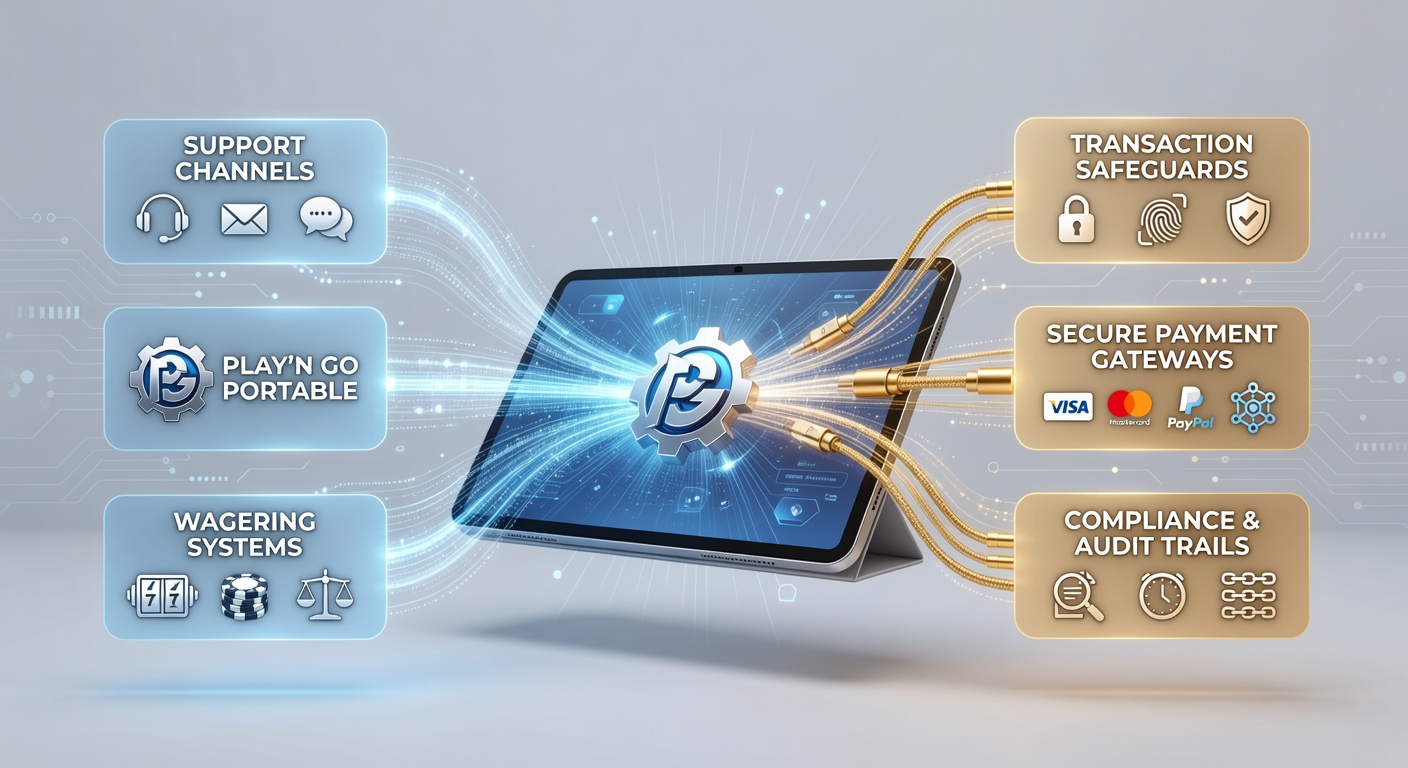
Transaction safeguards activate through support escalations when patterns suggest potential issues such as repeated failed deposits or unusual bet sizing. The system applies temporary holds while assistance staff review details, then releases funds or adjusts limits based on confirmed account ownership. This approach aligns with broader regulatory expectations across multiple jurisdictions.
Canadian provincial regulators have examined similar integrations, noting that linked systems improve compliance tracking without additional reporting layers. Australian frameworks emphasize consumer protection through comparable support-payment connections, requiring operators to maintain audit trails that span both assistance records and financial movements. Research from the Australian Gambling Research Centre highlights measurable reductions in disputed transactions when these pathways operate together.
Implementation Across Different Regions
North American platforms apply these connections primarily to sports wagering interfaces, whereas Asian markets focus integration on slot bonus management within Play'n GO titles. Both approaches share core architecture that routes queries through encrypted channels before authorizing any fund movement. Operators report that unified dashboards allow single-agent handling of complex cases involving both support and payments.
Industry associations such as the European Gaming and Betting Association have published guidelines encouraging this type of coordination to meet evolving technical standards. The guidelines stress that support systems must maintain separation between communication logs and raw financial data while still enabling efficient verification workflows.
Future Development Patterns
Developers continue refining these integrations by adding predictive elements that flag potential transaction issues before users contact support. Machine learning models analyze session behavior against historical patterns, routing alerts to assistance teams when anomalies appear. This proactive layer operates alongside existing reactive safeguards without interrupting gameplay flow.
Testing in controlled environments during early 2026 demonstrated improved resolution rates for payment queries when support and transaction systems share context in real time. Operators plan further expansions that incorporate biometric confirmation steps triggered directly from within support conversations.
Conclusion
Coordination between assistance networks and payment protections continues to shape portable Play'n GO and wagering operations through structured data sharing and automated verification steps. These connections maintain operational efficiency while addressing security requirements across diverse regulatory landscapes. Ongoing refinements focus on faster resolution and reduced user intervention during routine transactions.