29 Jun 2026
Mapping Transaction Efficiency Against Oversight Protocols in Gaming Applications
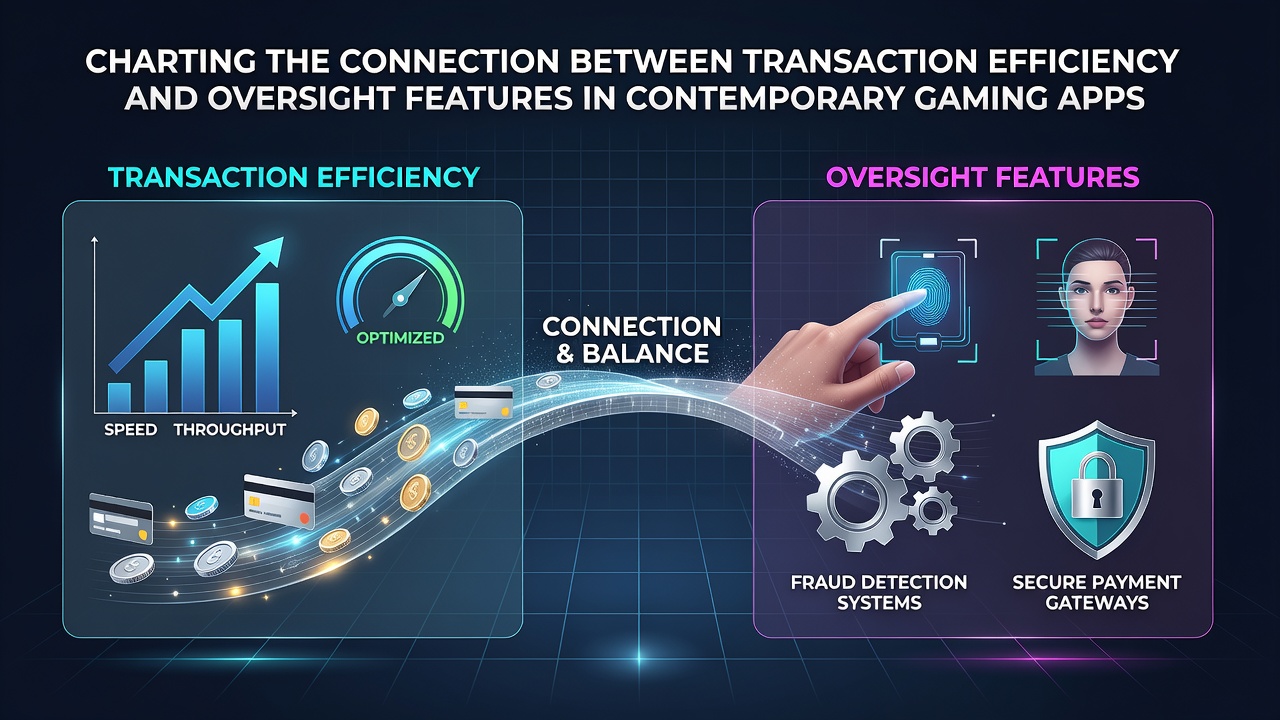
Contemporary gaming applications rely on streamlined payment systems that process deposits and withdrawals in seconds while oversight mechanisms track user activity in real time, and these two elements often operate through shared data pipelines that allow operators to adjust limits or flag patterns without interrupting play sessions. Research from regulatory bodies shows that when transaction processing speeds increase, integrated monitoring tools gain access to fresher data streams, which in turn supports quicker application of responsible gaming controls such as deposit caps or time-based alerts.
Core Components of Transaction Efficiency
Payment gateways in modern apps use APIs that connect directly to banking networks and digital wallets, reducing authorization times from minutes to under five seconds in many documented cases, and this speed stems from tokenization methods that store user credentials securely yet permit instant verification on subsequent transactions. Observers note that platforms incorporating instant payout options often report higher session continuity rates because players encounter fewer interruptions between funding their accounts and entering game environments.
Systems built on blockchain rails or open banking protocols further compress settlement windows, allowing cross-border transfers to complete within the same minute, whereas traditional card processors historically required batch processing that could span hours or days. Data from industry reports indicates that apps adopting these accelerated methods see measurable upticks in repeat deposits during peak evening hours across multiple time zones.
Oversight Features and Their Technical Foundations
Monitoring frameworks inside gaming apps typically embed rule-based engines that scan transaction volumes, frequency, and velocity against predefined thresholds, and these engines draw from the same payment ledgers used for efficiency gains. When a deposit arrives rapidly, the oversight layer receives metadata such as source account type, amount, and device fingerprint in the same data packet, enabling automated risk scoring before funds reach the playable balance.
Features such as session timers, loss-limit triggers, and self-exclusion flags link directly to transaction processors so that once a threshold activates, further deposits can be blocked at the authorization stage rather than after the fact. Experts have observed that this tight coupling prevents the lag that once allowed players to exceed limits during the delay between a payment request and its approval.
Observed Interactions in Live Deployments
Analyses of platform architectures reveal that faster transaction rails support more granular oversight because each completed transfer generates an immutable timestamp that feeds into behavioral analytics models, and these models refine their accuracy when data arrives continuously instead of in delayed batches. One documented rollout in June 2026 introduced real-time reconciliation between payment processors and responsible gaming modules across several North American operators, resulting in a reported 14 percent reduction in manual review queues according to internal metrics shared with oversight agencies.
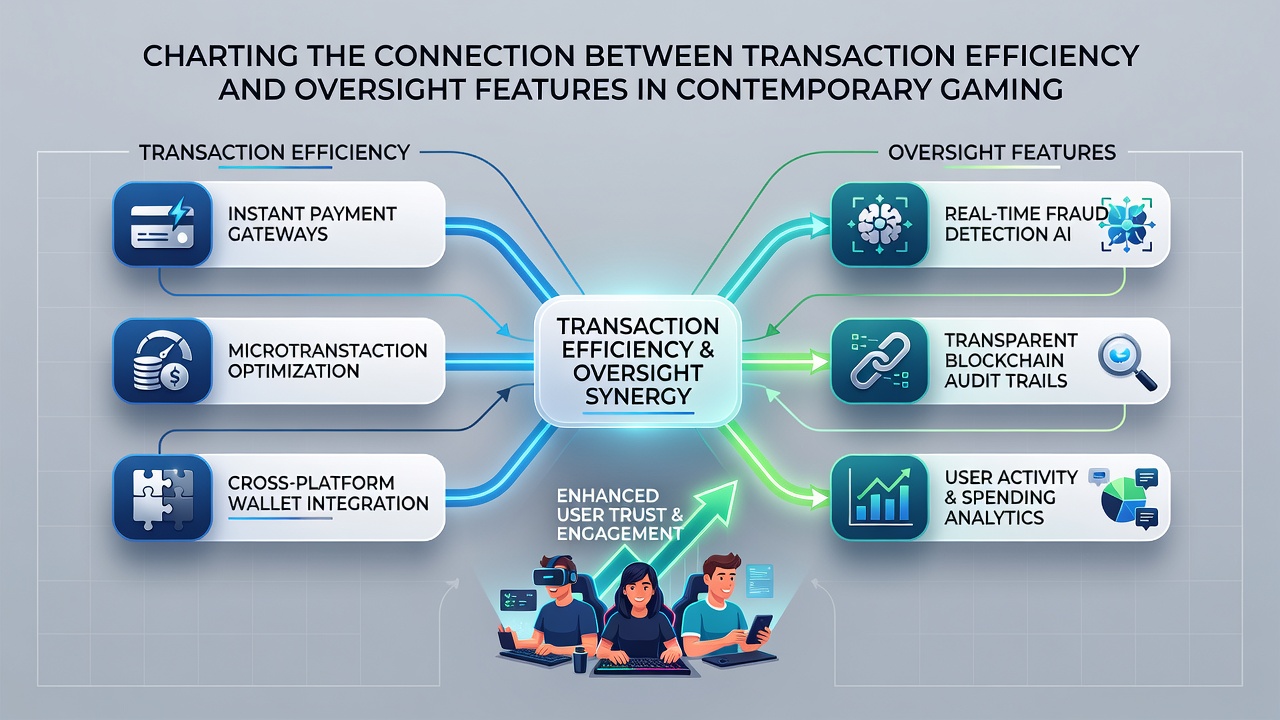
Case examples from European markets illustrate how instant deposit confirmations allow oversight tools to apply geo-fencing restrictions or age-verification checks within the same workflow, whereas slower legacy systems sometimes required separate verification steps that created friction points. Researchers at academic institutions studying digital gambling environments have noted that seamless transaction flows correlate with higher compliance rates for mandatory cooling-off periods because the app can pause funding access automatically once a limit engages.
Data Patterns Across Regions
Figures released by National Council on Problem Gambling research demonstrate that apps with sub-second payment confirmations paired with live oversight dashboards record fewer instances of repeated deposit attempts within short windows, and similar patterns appear in Canadian provincial data where integrated systems flag anomalies earlier in the transaction cycle. Operators in these jurisdictions report that the combined infrastructure reduces the volume of post-transaction interventions by channeling preventive actions into the payment authorization layer itself.
Additional insights from Ontario regulatory reports highlight that transaction velocity metrics now serve as primary inputs for machine-learning models that predict potential harm indicators, allowing oversight protocols to activate before cumulative spending reaches concerning levels. These models rely on the continuous data supply made possible by efficient payment rails rather than periodic batch uploads that previously delayed detection.
Conclusion
Contemporary gaming applications demonstrate a measurable interdependence between transaction processing speed and the responsiveness of oversight features, with shared data infrastructures enabling both rapid fund movement and timely protective interventions. As platforms continue to refine these linkages through updated APIs and regulatory frameworks, the technical foundation for simultaneous efficiency and accountability remains a central focus for operators and oversight bodies alike.