23 Jul 2026
Mobile Deposit Strategies and Their Integration with Self-Limitation Features in Sports and Slot Applications
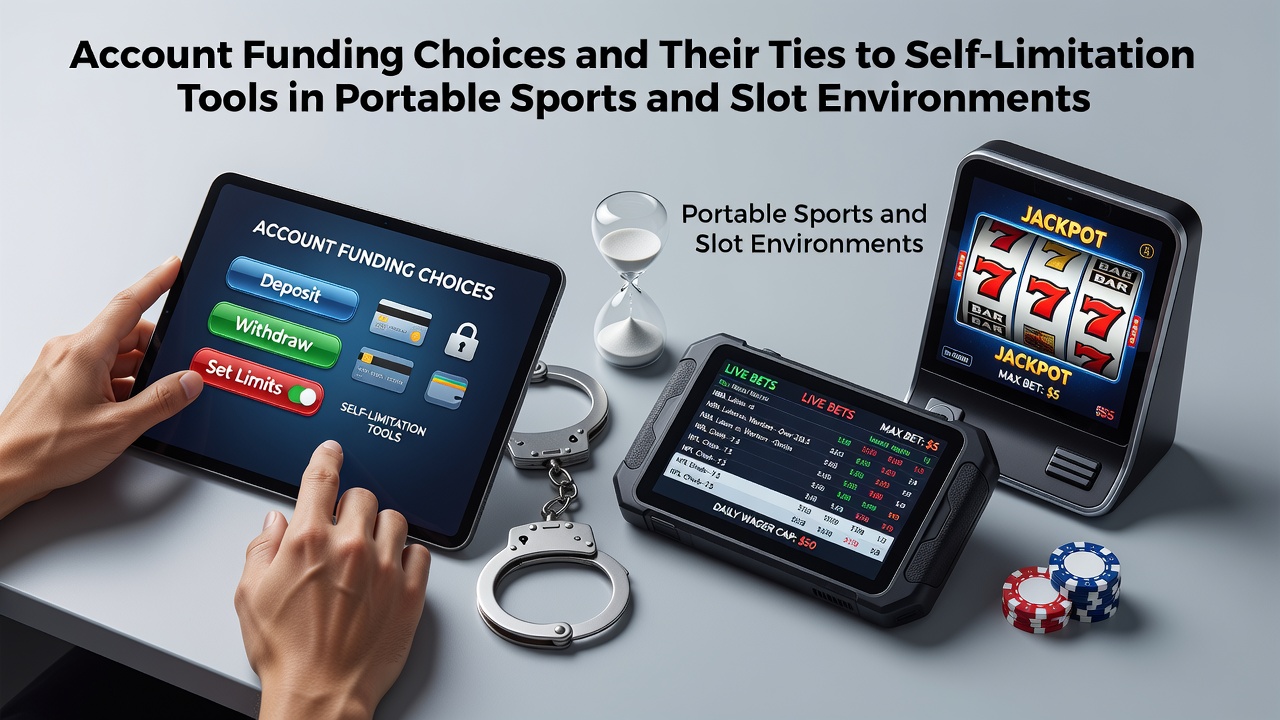
Data from multiple markets shows that account funding choices in portable environments often connect directly to self-limitation tools, allowing users to set parameters on deposits, session lengths, and spending caps through the same digital interfaces that handle transactions. In July 2026 observers noted continued growth in mobile sports betting and slot applications where payment methods such as cards, digital wallets, and bank transfers feed into built-in controls that track and restrict activity in real time.
Funding Methods and Their Built-In Controls
Portable platforms typically offer several deposit routes, and each route carries different integration levels with self-limitation systems. Credit and debit card deposits, which remain common across regions, often link automatically to daily or weekly spending caps that users activate during account setup or later through profile menus. Digital wallet options, including services popular in North America and parts of Asia, frequently display real-time balance updates that feed into session timers, so that once a preset limit is reached the system pauses further activity until the next reset period.
Bank transfer methods, used more heavily in European and Australian markets, tend to process on longer cycles and therefore pair with tools that enforce cooling-off periods between larger inflows. Research indicates these slower funding paths reduce impulse deposits when combined with mandatory confirmation steps that require users to review current limits before completing a transfer. Crypto-based deposits appear in fewer jurisdictions yet demonstrate similar ties, as blockchain transaction records allow platforms to flag rapid successive deposits and trigger automatic notifications about existing self-limits.
How Self-Limitation Tools Operate Across Payment Types
Self-limitation features in mobile sports and slot environments generally fall into categories of deposit caps, loss thresholds, time restrictions, and reality checks. When a user selects a funding method the platform pulls data from that method's transaction history to populate suggested limits. For instance, one study of Canadian operators found that card users who enabled deposit caps reduced average monthly inflows by measurable percentages compared with those who did not activate the feature.
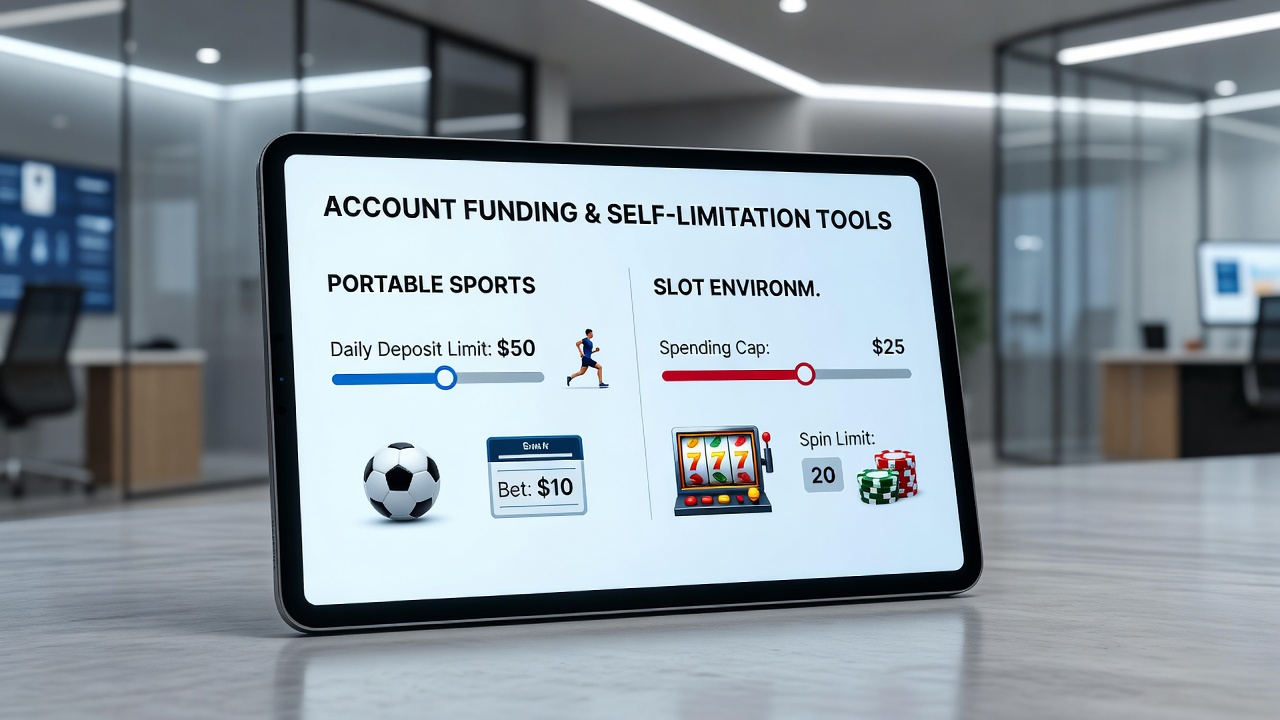
What's interesting is that many applications now embed these controls inside the deposit screen itself rather than in a separate menu. A player attempting to fund an account sees current limits displayed alongside the amount field, and the system blocks any entry that would exceed the preset threshold. This design appears in both sports betting apps and slot platforms, creating consistent experiences across game types. Data shows that users who interact with these prompts during funding sessions maintain their chosen limits for longer periods than those who set controls only at registration.
Regional Variations in Integration Practices
Regulatory frameworks shape how tightly funding choices and self-limitation tools connect. In Australian jurisdictions, operators must provide deposit limits that apply across all payment methods, and figures from state monitoring programs reveal high adoption rates among mobile users. European markets outside the UK show similar requirements, with some countries mandating that limits reset only after explicit user confirmation rather than on fixed calendar cycles.
North American states with legal mobile betting, such as those overseen by the Nevada Gaming Control Board, have introduced rules that require platforms to offer loss-limit tools tied directly to deposit activity. Reports from the Responsible Gambling Council indicate that these integrated systems help users track spending across sports wagers and slot sessions without switching between separate dashboards. Meanwhile, emerging markets in parts of Asia and Latin America are testing voluntary linkage programs where users can choose to sync specific payment methods with personalized caps.
Technical Implementation and User Interaction
Developers achieve integration through application programming interfaces that connect payment processors to the self-limitation database. When a deposit request arrives the system checks against stored limits before authorizing the transaction. This process happens in milliseconds, and users receive immediate feedback if the request would breach a cap. Push notifications and in-app messages then remind users of remaining allowances, a feature that multiple platform audits have linked to sustained engagement with limit settings.
Case examples from operators show that simplifying the path between funding and limit adjustment increases tool usage. One developer reported that moving the limit toggle onto the main deposit screen raised activation rates without altering the underlying payment infrastructure. Such changes maintain compliance while allowing users to adjust parameters fluidly as their activity patterns evolve.
Conclusion
Account funding choices in portable sports and slot environments continue to merge with self-limitation tools through shared interfaces and real-time data flows. Payment methods carry distinct characteristics that influence how effectively controls function, yet platforms increasingly design systems where the two elements operate as a single workflow. Regulatory developments across multiple regions reinforce these connections, and technical implementations keep the process seamless for users. As mobile platforms expand, the linkage between how funds enter an account and how limits govern that activity remains a central operational focus.