30 Jul 2026
Secure Funding Mechanisms Supporting Controlled Mobile Slots and Wagering Participation
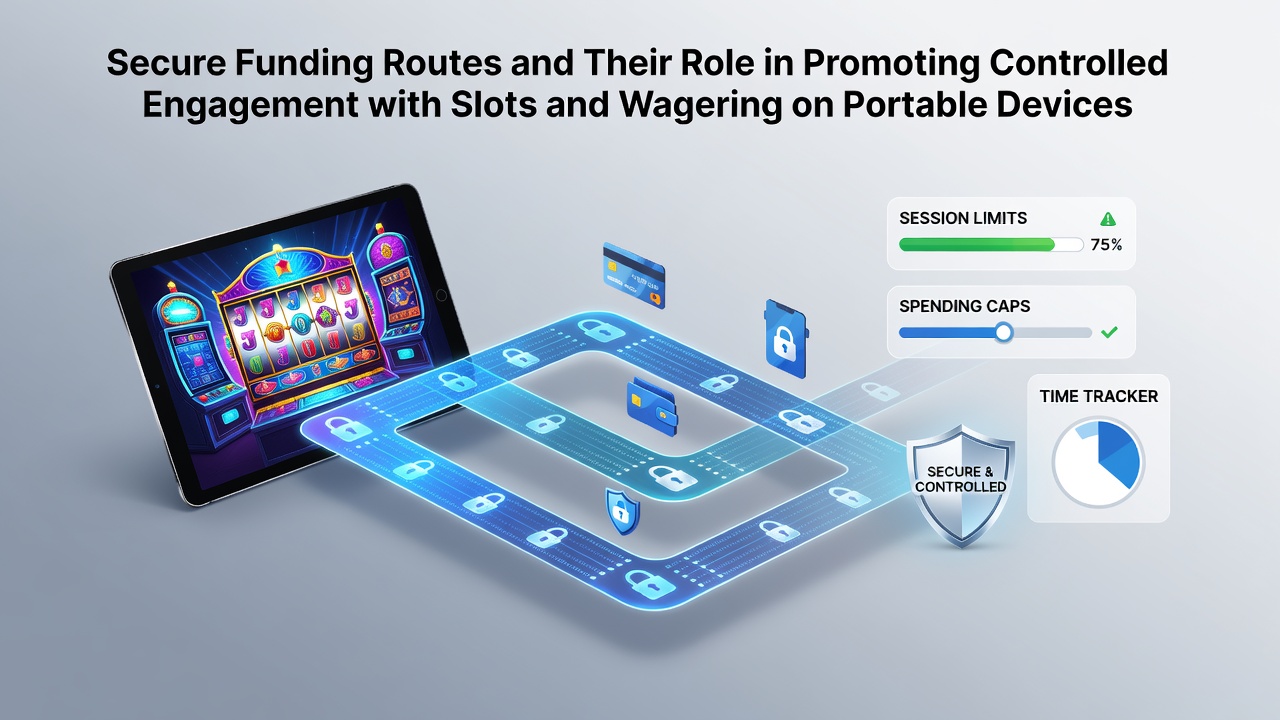
Secure funding routes encompass encrypted bank transfers, digital wallets, and verified card systems that facilitate deposits and withdrawals on mobile platforms, and these channels integrate spending controls that align with regulatory standards across multiple jurisdictions. Observers note that such mechanisms gained prominence as mobile usage for slots and wagering expanded through 2025 and into July 2026, when transaction volumes reflected broader adoption of portable devices equipped with biometric authentication.
Core Components of Secure Funding Routes
Encryption protocols and two-factor verification form the foundation of these routes, while real-time monitoring tools allow users to establish deposit caps and session reminders that integrate directly into mobile applications. Data from industry reports indicates that platforms employing these features recorded measurable reductions in unplanned spending patterns during the first half of 2026, and researchers attribute part of this outcome to the seamless linkage between funding verification and player-set limits. Those who examined transaction logs across North American and European operators found that wallet-based systems, in particular, enabled granular tracking without interrupting gameplay flow.
Integration with Mobile Slots and Wagering Activities
Mobile slots rely on rapid spin cycles and progressive features that benefit from instant funding confirmation, whereas live wagering on portable devices often involves time-sensitive bets that demand reliable payment gateways to avoid session interruptions. Secure routes incorporate automatic notifications when thresholds approach, and this design encourages pauses that align with harm-minimization guidelines issued by bodies such as the National Council on Problem Gambling. Studies conducted in Canada during early 2026 showed that operators using multi-layered authentication experienced higher rates of voluntary limit adjustments among mobile users compared with less secure alternatives.
Payment providers have expanded support for region-specific options including Interac transfers in Canada and POLi systems in Australia, each carrying built-in verification that reduces fraud exposure while preserving transaction speed. Figures reveal that these localized routes contributed to a steadier engagement curve throughout mid-2026, as users encountered fewer declined transactions that previously prompted repeated funding attempts.
Evidence from Recent Data Sets
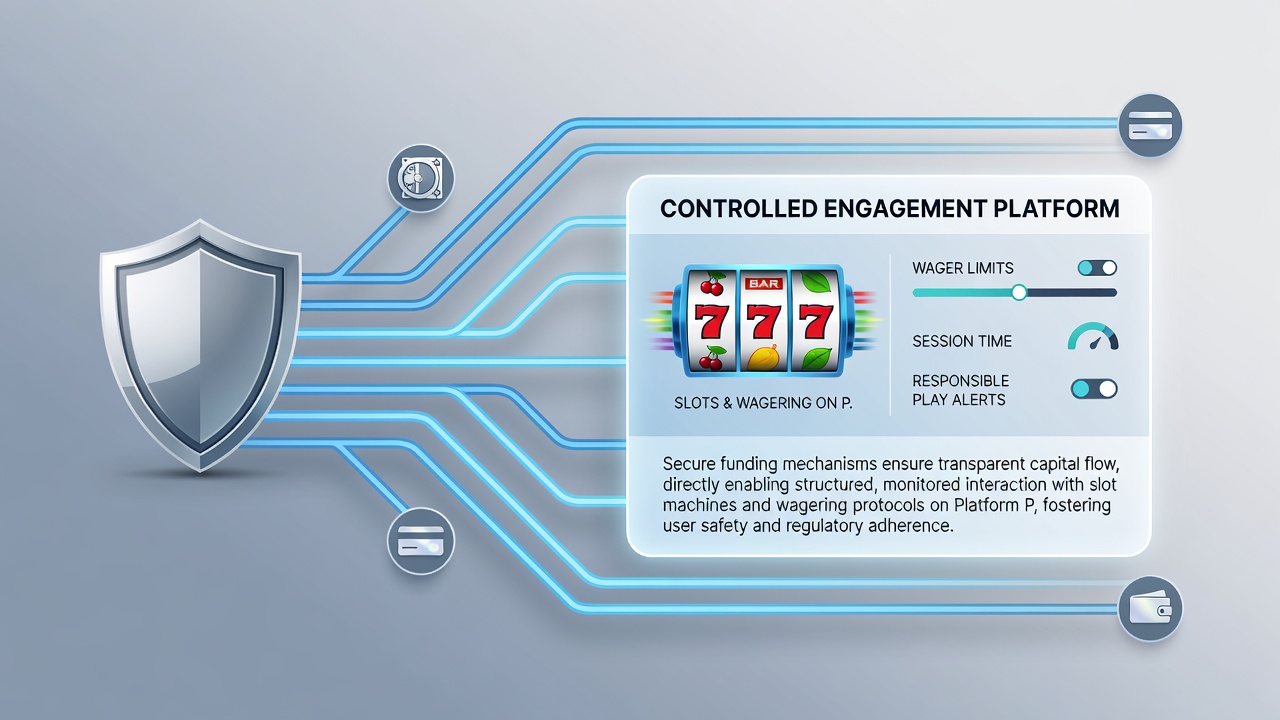
Analyses released in July 2026 by research groups tracking portable device activity highlighted correlations between verified funding channels and extended periods of controlled play. One examination of Australian user data indicated that accounts utilizing tokenized payments logged fewer instances of rapid successive deposits, and similar patterns emerged in preliminary reports from European markets where PSD2 compliance required strong customer authentication. Experts tracking these metrics emphasize that the visibility of real-time balances on mobile screens plays a direct role in prompting users to reassess their activity before additional funds transfer.
Industry associations have documented how these systems interface with third-party tools that flag unusual patterns, thereby supporting operators in fulfilling duty-of-care obligations without manual intervention. Data shows that integration of such alerts coincided with a stabilization of average session lengths on mobile slots during the spring and summer months of 2026, and observers attribute the outcome partly to the friction introduced by mandatory confirmation steps.
Regional Variations in Implementation
North American platforms have prioritized integration with banking apps that embed spending trackers, whereas Australian operators leaned toward government-endorsed digital identity services that streamline age and identity checks at the funding stage. Reports from the Australian Gambling Research Centre note that these combined layers reduced instances of underage access attempts on mobile wagering interfaces through the first two quarters of 2026. In parallel, EU-based studies found that open-banking connections allowed users to view aggregated gambling expenditure alongside other financial data, creating a broader context for self-assessment.
Tokenization remains a common thread across these regions, replacing sensitive card details with unique identifiers that limit exposure during each mobile transaction. This approach has proven compatible with both slot spin sequences and in-play betting adjustments, maintaining pace while preserving security standards that regulators continue to refine.
Conclusion
Secure funding routes continue to evolve alongside mobile technology, embedding controls that support measured participation in slots and wagering on portable devices. Transaction data from multiple jurisdictions through July 2026 demonstrates that verified pathways, when paired with limit-setting features, correspond with more predictable engagement patterns. As operators refine these systems in response to emerging standards, the linkage between payment security and responsible play remains a central element of platform design across global markets.