20 Jul 2026
The Co-Evolution of Player Safety Measures and Bonus Frameworks in Mobile Gaming
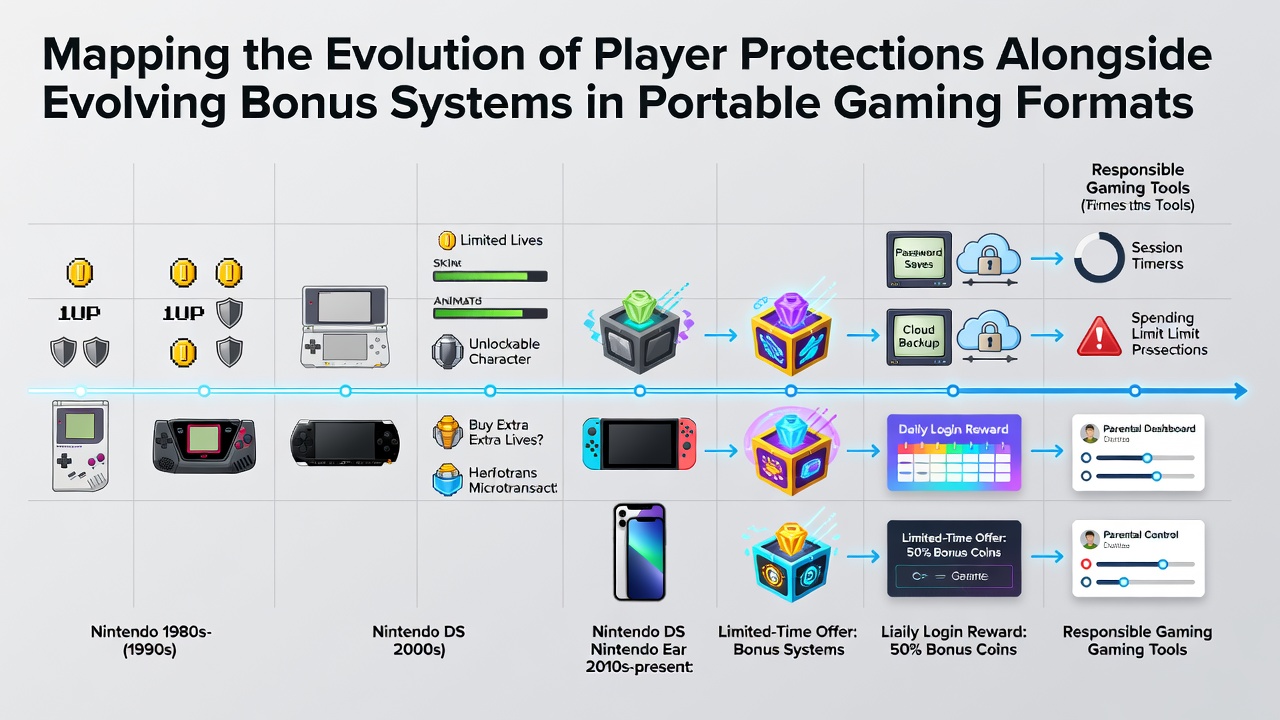
Portable gaming platforms have transformed how operators deliver incentives while regulators and developers integrate layered safeguards that respond directly to those same systems; early mobile slots and table games relied on straightforward deposit matches or free spin bundles that lacked spending caps yet over time these offerings expanded into tiered loyalty structures that now trigger automatic intervention tools once thresholds are crossed.
Initial Stages of Mobile Bonuses and Basic Controls
During the first wave of smartphone casino apps around 2010 operators introduced sign-up packages that rewarded new accounts with bonus cash or spins without mandatory verification steps while player accounts operated under minimal default limits; data from that period shows many jurisdictions recorded rapid uptake of these formats because download speeds and touch interfaces lowered barriers to entry yet several oversight bodies began requiring simple age gates and self-exclusion lists to run alongside the promotions.
Observers note that Canadian provincial regulators pioneered early deposit caps tied to bonus activation which meant players could claim a welcome offer only after setting a personal spending boundary within the app itself and similar patterns emerged in Australian state frameworks where operators had to display responsible gaming messages at the point of bonus claim.
Expansion of Dynamic Rewards and Integrated Monitoring
As portable formats matured bonus systems grew more sophisticated with daily login streaks, cashback on net losses, and personalized reload offers delivered through push notifications; these changes coincided with the rollout of real-time behavioral tracking that flags unusual deposit patterns linked to active promotions and pauses further bonus eligibility until a cooling period elapses.
Research indicates that platforms adopting such paired systems saw measurable reductions in rapid successive deposits among users who had recently claimed large incentives; meanwhile Nevada's regulatory framework and certain European licensing authorities mandated that bonus terms include clear loss-limit toggles so players could adjust protections without exiting the game session.
What's interesting is how operators began embedding these tools directly into the reward engine so a player reaching 50 percent of a weekly deposit limit automatically receives a lower-value bonus tier rather than the full advertised amount thereby aligning incentives with spending boundaries.
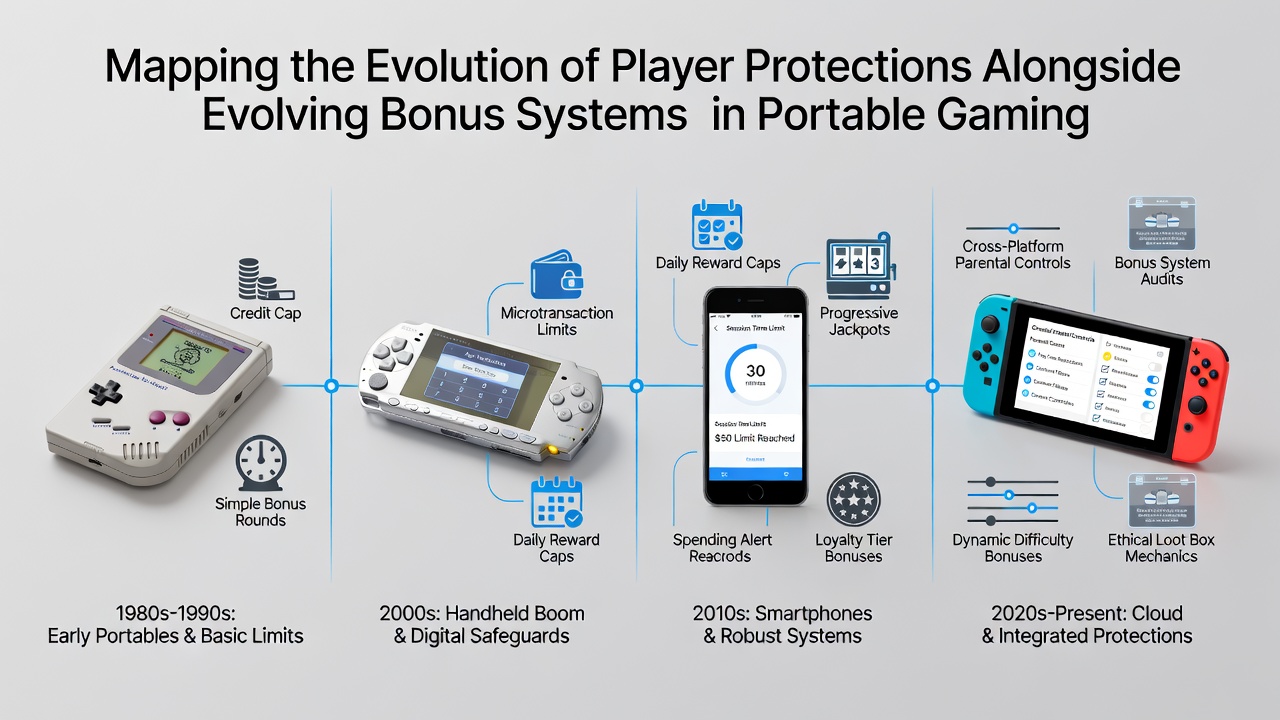
July 2026 Developments and Cross-Border Standards
By July 2026 several international bodies had aligned on updated technical standards that require bonus algorithms to reference live player protection data before releasing rewards; the National Council on Problem Gambling in the United States published updated guidelines showing that apps using synchronized systems recorded fewer instances of bonus-related disputes while Gambling Research Australia reported parallel findings in longitudinal studies of mobile user cohorts.
These standards also introduced mandatory display of remaining bonus wagering requirements alongside current limit status so users see both elements on the same dashboard screen and operators must log every instance where a protection setting overrides a pending reward.
Technical Integration Across Platforms
Modern portable gaming applications now employ API connections between bonus ledgers and protection modules so that any change to deposit limits instantly recalculates available promotional value; this approach allows seamless scaling across different device types while maintaining consistent rules regardless of whether a player switches between tablet and phone mid-session.
Industry reports from the Canadian Gaming Association highlight that such integrations reduced manual support tickets related to bonus disputes because the system itself enforces the boundaries without requiring separate customer service intervention and similar architectures appear in licensed platforms operating under multiple jurisdictions.
Future Trajectories in Portable Formats
Emerging prototypes incorporate predictive analytics that adjust bonus availability based on session length and time-of-day patterns while still preserving user-selected limits as the primary control layer; these developments build on earlier frameworks yet add granularity that responds to individual play histories rather than applying uniform rules across all accounts.
Evidence from academic studies on mobile gambling interfaces suggests continued refinement will focus on transparent communication of how protection settings interact with reward calculations so players understand the relationship without needing external documentation.
Conclusion
The trajectory shows that bonus systems and player protections have advanced in tandem within portable gaming environments with each new reward innovation prompting corresponding technical and regulatory adjustments that keep the two elements interdependent rather than separate; ongoing data collection from diverse licensing regions continues to shape how these paired features evolve in subsequent app iterations.